Tag: psychology
-
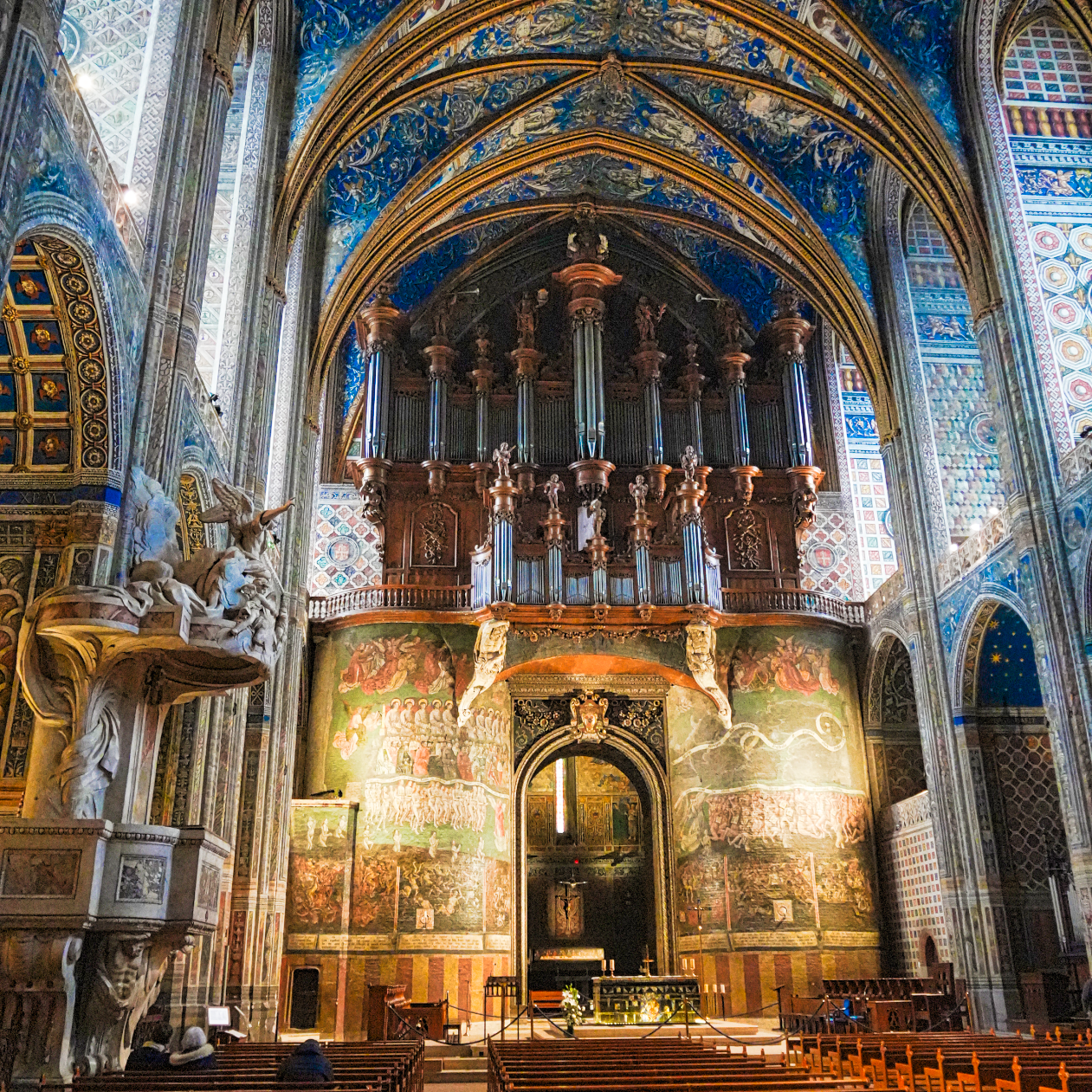
Standing before the colossal Last Judgment mural in Sainte-Cécile, it is easy to be overwhelmed by the sheer, crushing weight of medieval Catholic dogma. It is a massive binary system: absolute order on the left, absolute chaos on the right. But as I adjusted the focus on my camera, zooming in on the grotesque faces…
-
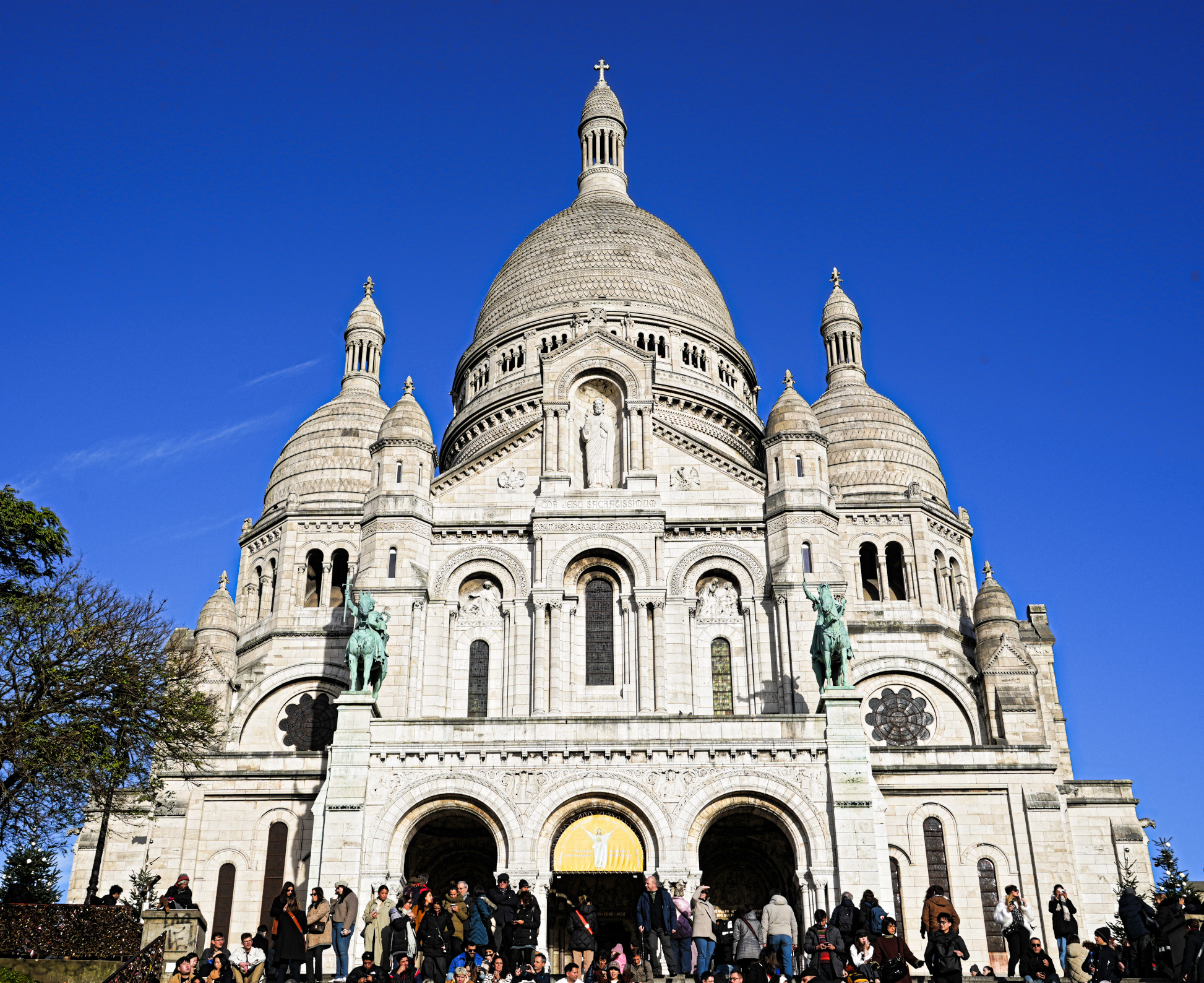
Happy 2026! There is a reason we feel so much pressure today. January isn’t just a month; it’s named after Janus, the Roman god of beginnings, gates, transitions, and endings. In ancient Rome, Janus was always depicted with two faces: one looking back at the year that was, and one looking forward at the year…
-
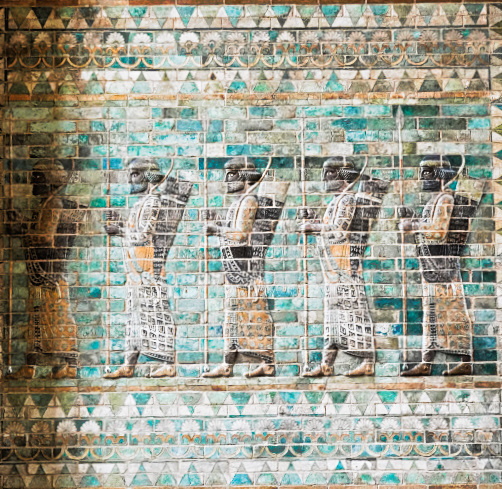
We’ve talked about the massive, silent Lamassu guardians. Now, let’s pivot in the Louvre Museum to another incredible ancient security system, but one that is much more vibrant, intricate, and absolutely visible: the glazed brick facades from ancient Iran—specifically, the palaces of places like Susa and Persepolis. More Than Just Decoration These aren’t just pretty…
-
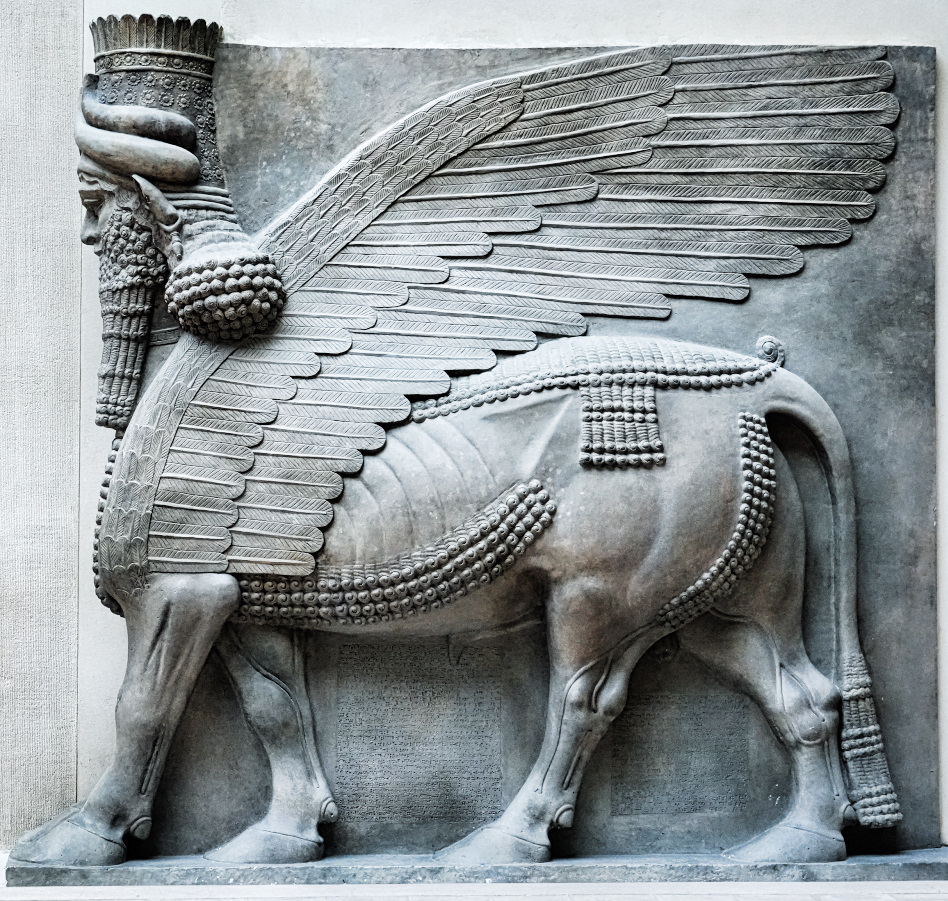
Now let’s take a hard turn from the public baths of Rome and travel thousands of years back, and a few thousand miles east, to ancient Mesopotamia—but we’ll find them right here in the Louvre Museum in Paris. I’m talking about the massive, silent guardians that once stood at the gates of Assyrian palaces: the…
-
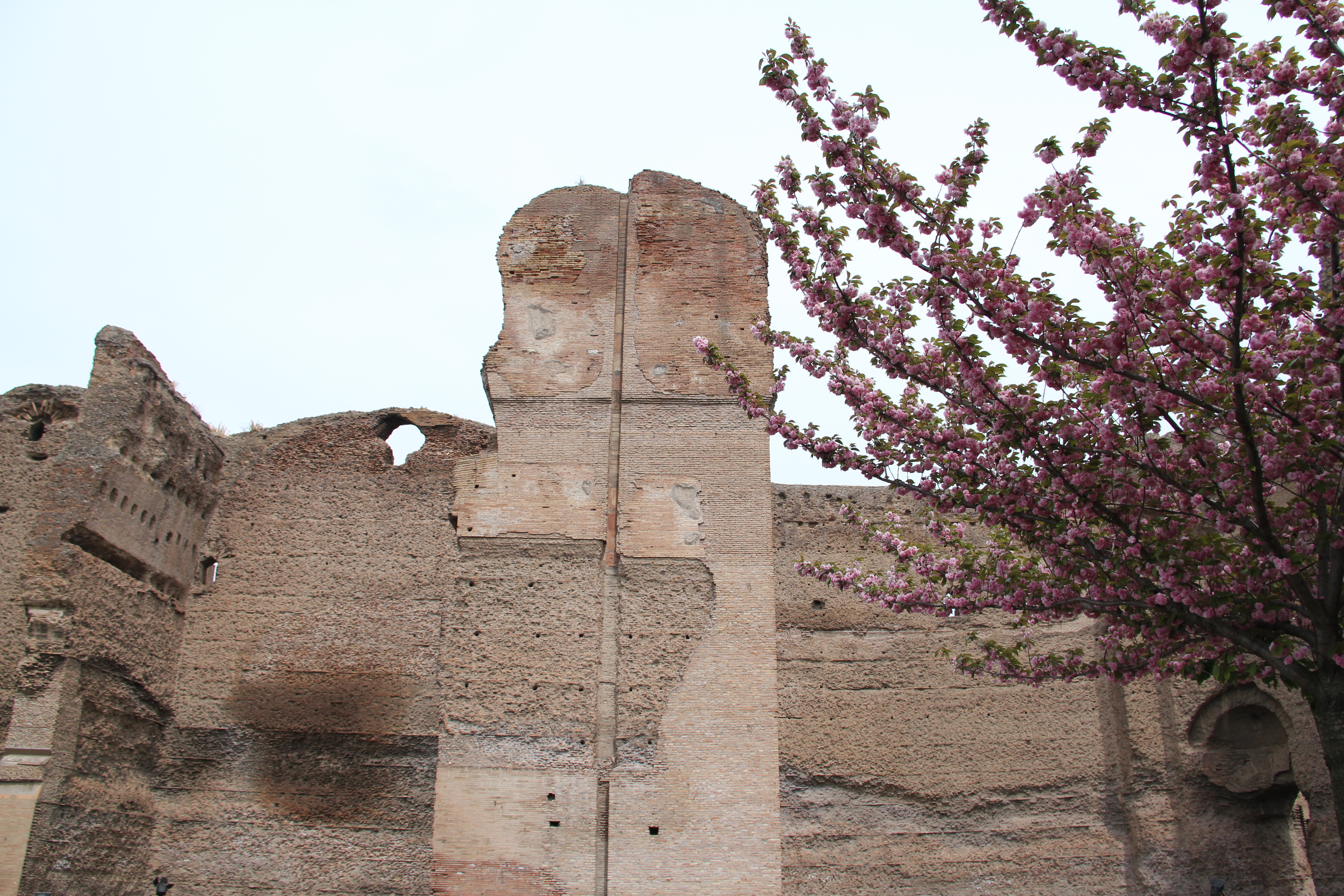
The Architecture of Leisure: Why the Baths of Caracalla Were Rome’s Greatest Investment. We’re in Rome now, so naturally, we should talk about the Colosseum, right? Wrong. The Colosseum was spectacular theater. The true heart—and the true Blueprint of Roman stability—lies in the massive, breathtaking ruins of the Baths of Caracalla. When you stand here,…
-
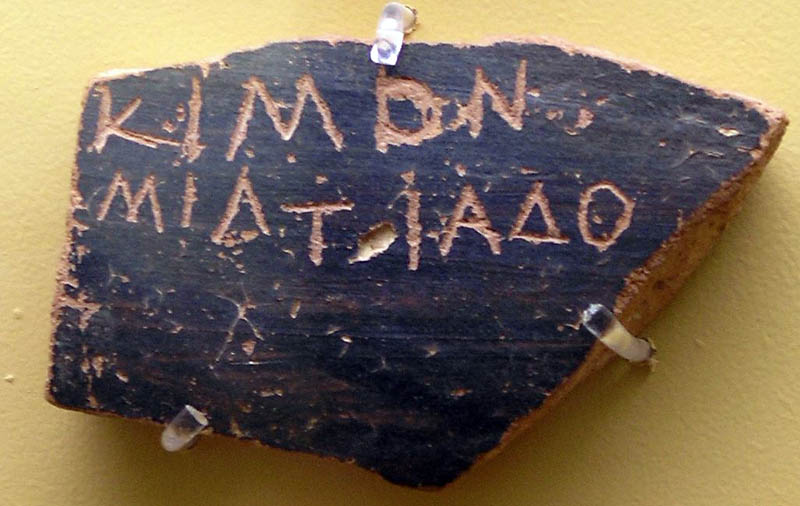
We’ve seen the ancient Greeks’ obsession with legacy (Gold Mask) and sheer effort (Bronze Jockey). Now, let’s talk about their most brilliant, most brutal political invention, which you can see in the museum: Ostracism. If you look at the little shards of pottery in the display cases—the Ostraca—they look like worthless trash. But these broken…
-
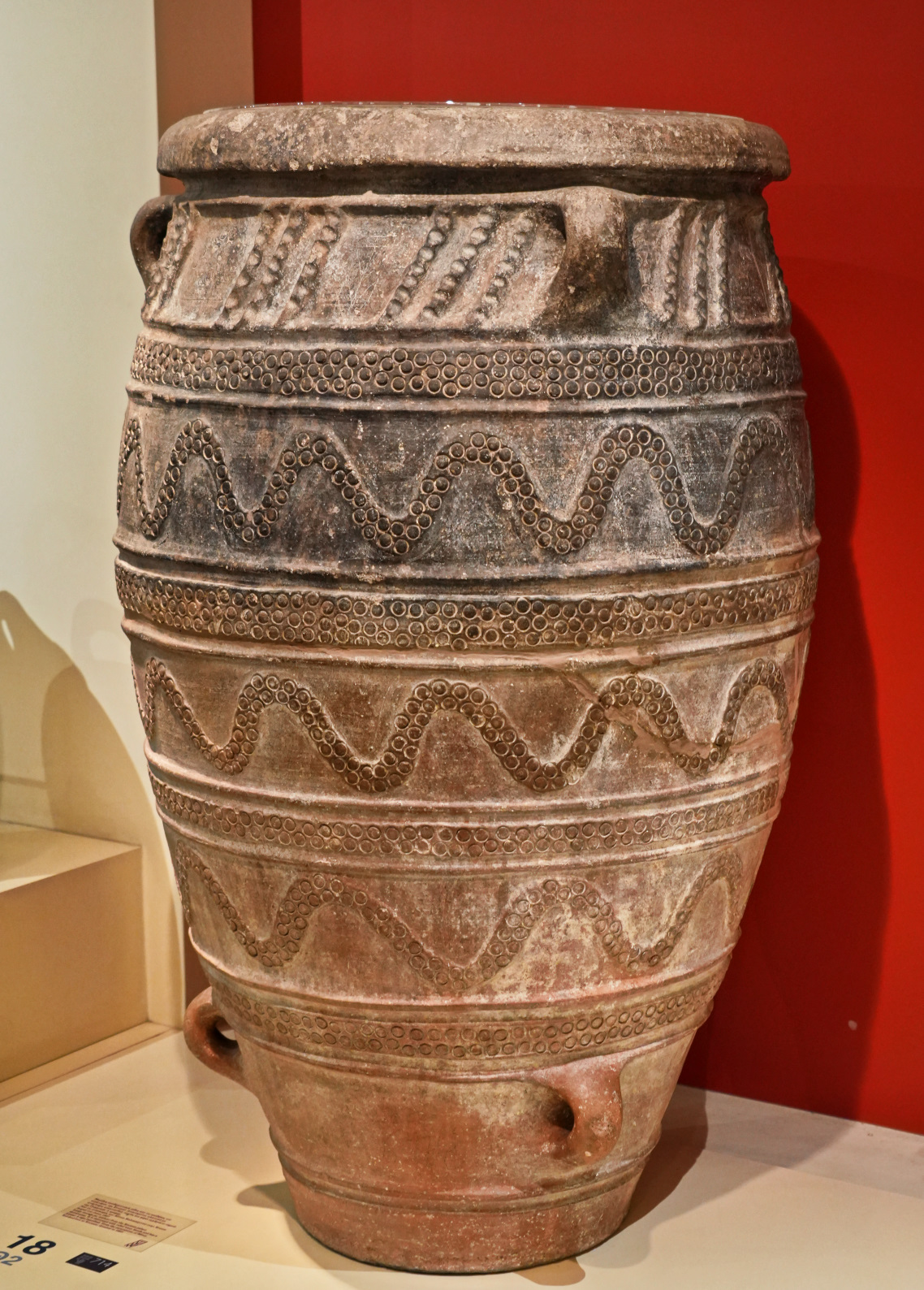
We’ve seen the ancient obsession with fame (the Gold Mask) and effort (the Bronze Jockey). Now let’s talk about the most universal human experience of all, the one we still haven’t figured out: grief. Walk into the rooms holding the massive early Greek funeral vessels—the Geometric Vases (made around the 8th century BC). You’ll notice…
-
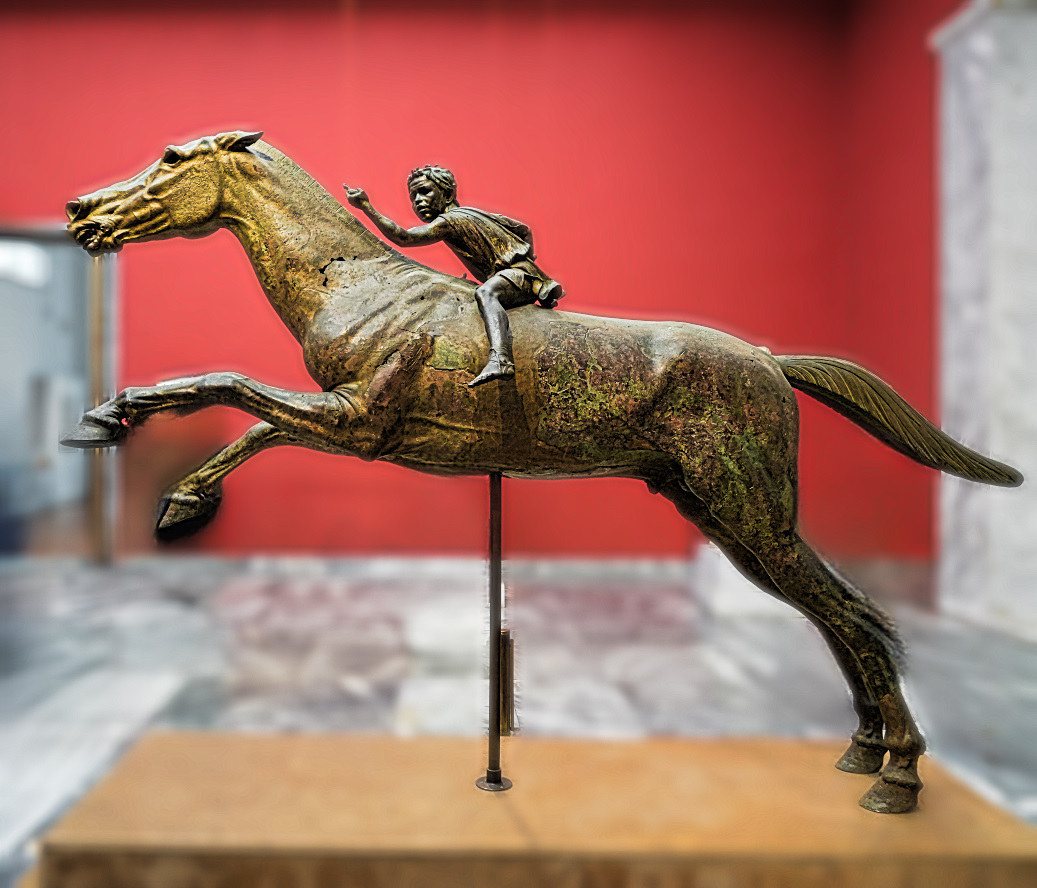
We’re sticking with the Athens National Museum for now, but we’re moving away from death and gold masks and into the messy, glorious struggle of life. When most people think of Greek sculpture, they picture the perfectly balanced, serene marble figures—gods who are calm, cool, and never break a sweat. Now, walk into the room…
-
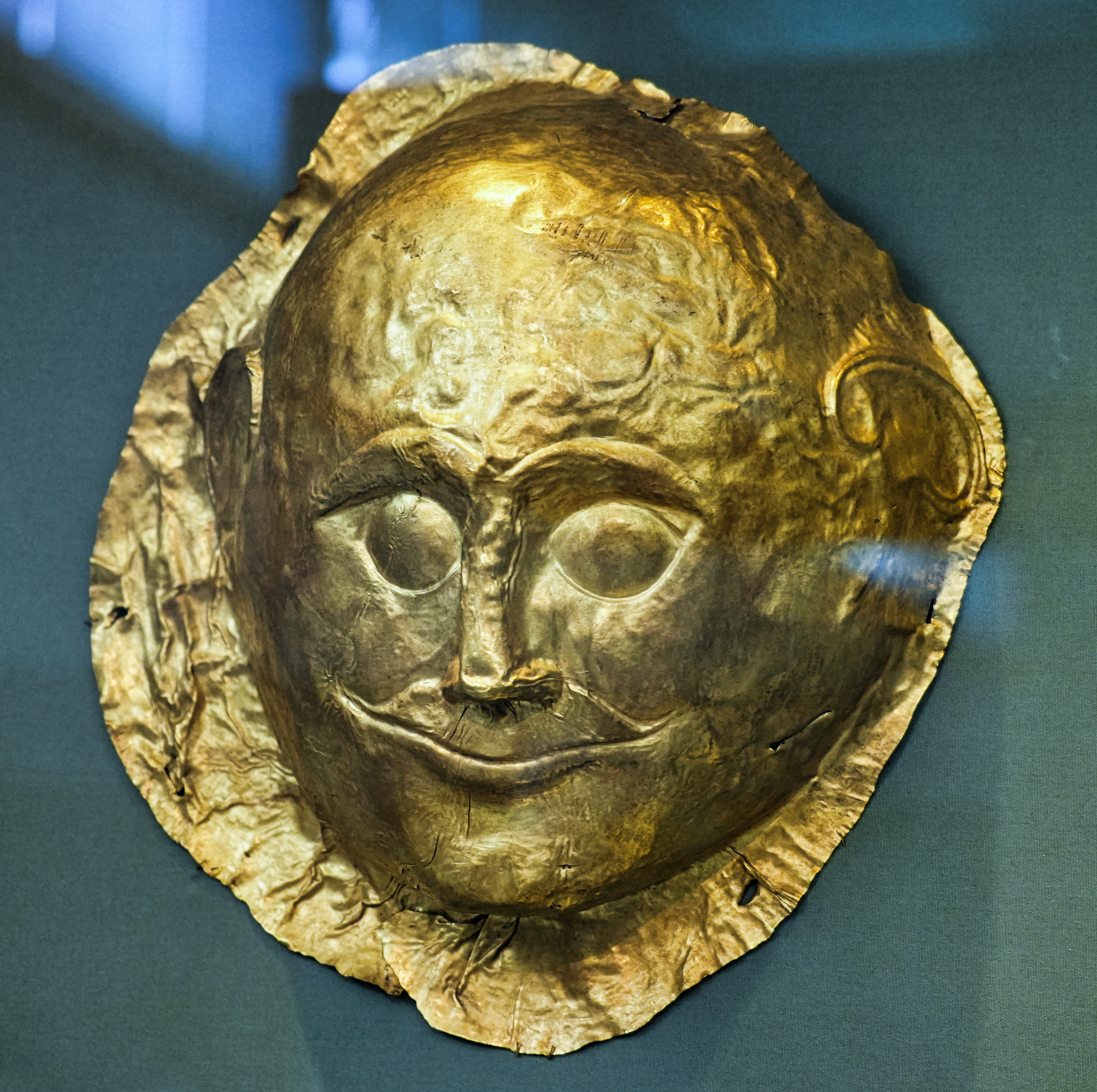
Alright, let’s leave the endless streets of Venice and head back to Greece, specifically to the Athens National Museum. We’re going to zero in on one single object that is so famous it almost obscures the deeper truth: the Gold Mask of Agamemnon. When Heinrich Schliemann (the archaeologist) found this back in the 1870s, he…
-

The Mask of Sanity: Why Anonymity Was the Ultimate Freedom in Venice. We’ve navigated the impossible streets, looked at the antifragile foundations, and found the old, reliable roads. Now, for the final piece of the Venetian puzzle, we need to talk about masks—not just the tourist novelty, but the profound, necessary function they served for…